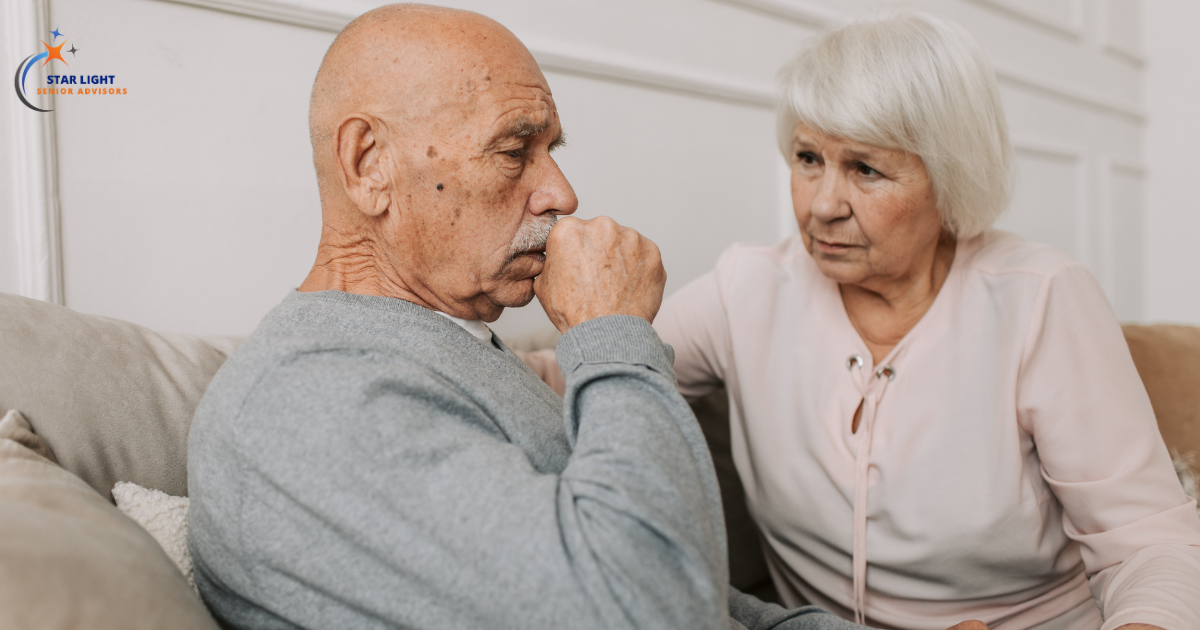


As the bright warmth of summer gives way to autumn’s crisp air and shorter days, many people notice subtle shifts in their mood. The season brings cozy sweaters, colorful leaves, and hot cider, but it can also bring feelings of sadness, sluggishness, or low motivation. This phenomenon is often called the “fall blues.” For seniors especially, cooler weather and less sunlight can have a real impact on both physical and emotional well-being. The good news is that with awareness and a few practical steps, the fall season can be embraced with energy, positivity, and grace.
Why Mood Shifts in the Fall
The human body is deeply connected to natural rhythms, including the cycles of light and darkness. When autumn arrives, days grow shorter and sunlight becomes scarce. This affects the brain’s production of melatonin and serotonin—two chemicals that regulate mood and sleep. With less sunlight, serotonin levels drop, which can leave people feeling low or unmotivated. At the same time, melatonin levels may rise, leading to drowsiness.
For seniors, these changes can feel especially strong. Health conditions, limited mobility, or living alone may amplify feelings of isolation or fatigue when the weather cools. Additionally, outdoor activities often decline, reducing social interaction and physical movement—both of which are important for maintaining emotional health.
Understanding Seasonal Affective Disorder (SAD)
While the “fall blues” are common, some individuals experience a more intense version known as Seasonal Affective Disorder (SAD). This condition occurs when seasonal changes disrupt the body’s natural rhythms to the point where symptoms mirror clinical depression. Signs of SAD can include persistent sadness, changes in appetite, loss of interest in activities, and difficulty concentrating. It’s important to recognize when these symptoms go beyond mild mood changes and to seek professional help when necessary.
The Importance of Connection
One of the most powerful ways to combat seasonal mood shifts is through connection. Seniors who stay engaged with family, friends, or their community are far less likely to feel isolated during the fall months. Whether it’s sharing a meal, joining a local senior center activity, or even making regular phone calls, staying socially connected has a direct impact on emotional well-being.
Physical Wellness and Movement
Staying active is another essential tool for beating the fall blues. Exercise boosts serotonin levels, improves circulation, and provides an overall sense of vitality. This doesn’t have to mean long workouts at the gym. Gentle walks in the crisp autumn air, stretching routines, or even light chair yoga can make a significant difference. The key is consistency—regular activity helps maintain energy levels and uplifts the spirit.
Light and Environment
Since a lack of sunlight plays such a big role in seasonal mood changes, finding ways to increase light exposure can help. Spending time outdoors during daylight hours, even for a short walk, can naturally boost mood. For those who struggle to get outside, light therapy lamps are an excellent alternative. These lamps mimic natural sunlight and can be especially helpful in darker climates. Additionally, creating a warm, inviting home environment—with cozy blankets, seasonal décor, and bright lighting—can help counteract feelings of gloom.
Nutrition and Seasonal Foods
What we eat also impacts mood and energy. Fall is a wonderful season for nutrient-rich foods that support brain health and overall wellness. Squash, sweet potatoes, apples, carrots, and root vegetables are full of vitamins and antioxidants. Omega-3 fatty acids, found in salmon, walnuts, and flaxseed, are known to support brain function. Seniors can also benefit from Vitamin D supplements, since reduced sunlight can lower natural Vitamin D levels—another factor linked to mood regulation.
Mindfulness and Mental Health
Practicing mindfulness and gratitude can also help shift perspective during the fall months. Journaling, meditating, or simply taking a few quiet moments to notice the beauty of autumn leaves can cultivate a sense of peace. For those experiencing deeper struggles, professional counseling or senior support groups can provide valuable tools and encouragement.
Tips to Beat the Fall Blues
- Spend at least 20 minutes outdoors daily when possible.
- Use a light therapy lamp to mimic natural sunlight indoors.
- Keep a routine with regular sleep and wake times.
- Stay socially connected with friends, family, or senior groups.
- Add seasonal produce and brain-boosting foods to your meals.
- Incorporate daily movement, whether walking, stretching, or yoga.
- Practice gratitude and reflection to focus on the positives.
- Seek professional guidance if mood changes become overwhelming.
Embracing the Season with Positivity
While autumn can sometimes bring challenges to our mood, it also offers opportunities for joy, reflection, and renewal. Cooler weather encourages us to slow down, savor warm meals, and gather with loved ones. It reminds us that change is natural and that every season brings its own kind of beauty. For seniors, embracing fall with intention—through connection, wellness, and mindfulness—can turn the “fall blues” into a season of growth and gratitude.
Written by Jen Carter, Author and Leader in the Senior Living Space
Star Light Senior Advisors
www.starlightsenioradvisors.com
info@starlightsenioradvisors.com