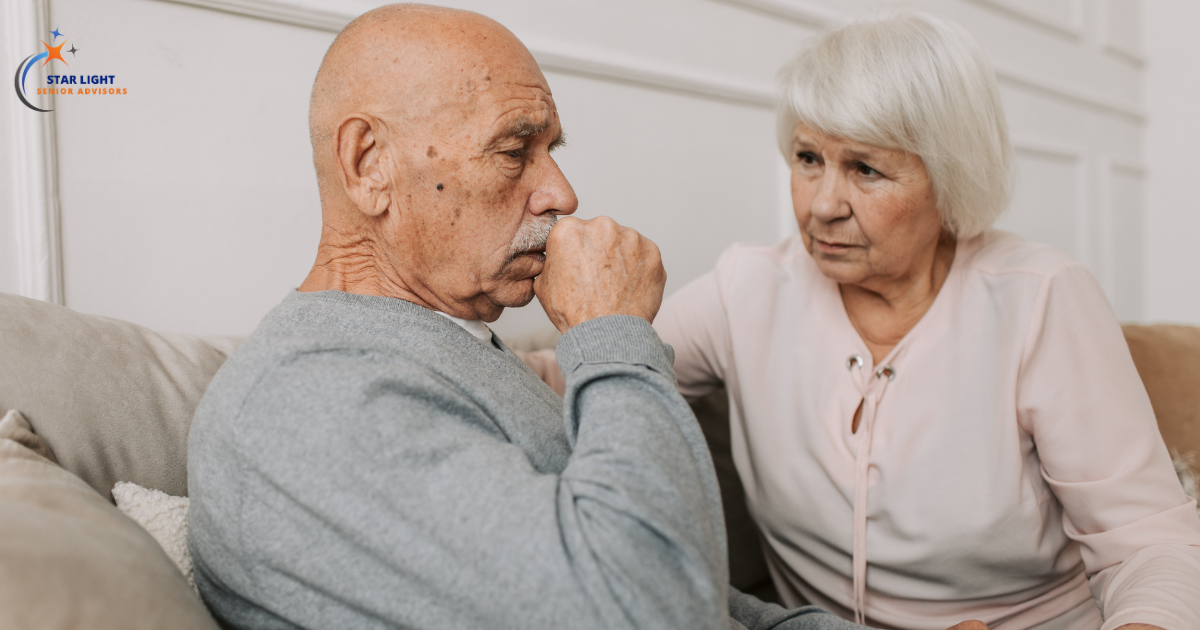


Families are often caught off guard when an older adult who seemed stable begins to decline quickly. A parent who was managing independently may suddenly appear weaker, more confused, less mobile, or emotionally withdrawn. This shift can feel abrupt and alarming, especially when there was no obvious warning.
While decline may appear sudden, it is often the result of underlying medical, cognitive, or environmental factors that have been building quietly. In many cases, one triggering event exposes vulnerabilities that were already present. Understanding the most common causes of sudden decline in older adults helps families respond appropriately and seek timely intervention.
Acute Illness and Infection
One of the most common causes of rapid decline in seniors is acute illness, particularly infections. Older adults do not always present with classic symptoms. Instead of fever or localized pain, they may show confusion, fatigue, weakness, or decreased appetite.
Urinary tract infections are especially known for causing sudden confusion or behavioral changes in seniors. Pneumonia and other respiratory infections can also lead to noticeable decline in mobility and alertness. Because the immune system weakens with age, infections can progress quickly and have a significant impact on overall functioning.
Prompt medical evaluation is critical when new confusion or weakness appears. Treating the underlying infection often leads to improvement, though recovery may take time.
Medication Changes or Interactions
Medication issues are another frequent cause of sudden decline. Older adults are often prescribed multiple medications, increasing the risk of side effects or interactions. A new prescription, dosage change, or missed medication can disrupt balance, cognition, and energy levels.
Sedatives, blood pressure medications, pain medications, and certain psychiatric drugs can contribute to dizziness, confusion, or falls. Even over the counter medications may have unexpected effects.
Regular medication reviews with a physician or pharmacist are essential. Families should pay close attention to changes that occur shortly after a new medication is introduced.
Falls and Physical Injury
Falls are one of the leading causes of decline in older adults. Even when no fracture occurs, a fall can significantly impact confidence, mobility, and overall health. After a fall, seniors may limit movement out of fear, leading to muscle weakness and decreased endurance.
In some cases, a minor fall reveals underlying balance issues, neuropathy, or muscle weakness that had been progressing unnoticed. Head injuries, even mild ones, can also cause confusion and cognitive changes.
Following any fall, a medical evaluation should be considered. Physical therapy and strength training can help restore function and prevent further decline.
Dehydration and Poor Nutrition
Dehydration is common among seniors and can lead to fatigue, confusion, dizziness, and weakness. Older adults may not feel thirst as strongly as younger individuals, and some may intentionally reduce fluid intake to avoid frequent bathroom trips.
Similarly, poor nutrition can contribute to noticeable decline. Loss of appetite, difficulty preparing meals, dental issues, or depression may reduce food intake. Without adequate calories and nutrients, strength and energy decrease rapidly.
Simple interventions such as monitoring fluid intake, ensuring balanced meals, and addressing barriers to eating can significantly improve functioning.
Hospitalization and Deconditioning
Hospital stays, even brief ones, can trigger rapid decline. Extended bed rest leads to muscle loss and decreased endurance. In older adults, muscle mass can diminish quickly, making recovery more difficult.
This process, known as deconditioning, may leave a senior weaker than before hospitalization. Even when the original medical issue resolves, mobility and strength may not fully return without rehabilitation.
Early physical therapy and structured movement programs are essential following hospital discharge to prevent prolonged decline.
Cognitive Changes and Delirium
Sudden cognitive decline may indicate delirium rather than long term dementia progression. Delirium is a temporary but serious condition characterized by confusion, disorientation, and fluctuating alertness. It is often triggered by illness, medication changes, dehydration, or hospitalization.
Delirium requires immediate medical evaluation. Unlike dementia, which progresses gradually, delirium develops quickly and may be reversible when the underlying cause is addressed.
Recognizing the difference between delirium and dementia is critical for proper treatment and recovery.
Depression and Emotional Stress
Emotional factors can also contribute to rapid decline. Depression in older adults may present as fatigue, withdrawal, poor appetite, and reduced participation in daily activities. Unlike typical sadness, depression can significantly affect physical functioning.
Major life changes such as the loss of a spouse, relocation, or serious health diagnosis may trigger emotional decline. Social isolation further increases vulnerability.
When emotional health declines, physical health often follows. Addressing depression through counseling, social engagement, and medical treatment can lead to improvement in overall functioning.
Chronic Disease Progression
Some sudden declines are actually the visible progression of chronic conditions. Heart disease, diabetes, kidney disease, and neurological disorders may worsen gradually until a tipping point is reached.
For example, worsening heart failure may lead to shortness of breath and fatigue that appear sudden but reflect ongoing changes. Similarly, advancing Parkinson’s disease or early dementia may reach a stage where symptoms become more noticeable.
Regular medical monitoring and early intervention help manage chronic diseases and reduce the risk of abrupt deterioration.
Pain and Untreated Discomfort
Chronic pain often goes underreported in older adults. When pain increases or becomes constant, mobility and participation decline. Seniors may avoid movement to reduce discomfort, which leads to muscle weakness and reduced independence.
Arthritis, spinal issues, neuropathy, and other pain conditions can escalate over time. Without adequate pain management, quality of life decreases rapidly.
Evaluating and treating pain appropriately can prevent avoidable decline and restore activity levels.
Social Isolation
Isolation is a significant risk factor for both emotional and physical decline. Seniors who live alone may gradually reduce activity and social engagement. Over time, this withdrawal contributes to weakness, cognitive decline, and depression.
The absence of regular interaction can accelerate existing health conditions. Social engagement supports mental stimulation, routine, and accountability for self care.
Encouraging structured social activities, community involvement, or supervised living environments may help stabilize or improve functioning.
When to Seek Professional Guidance
Sudden decline should never be ignored. While some causes are reversible, early intervention is essential. Medical evaluation helps identify infections, medication issues, or other treatable conditions.
If decline persists or safety becomes a concern, families may need to evaluate whether additional support is required. Assisted living or supervised environments provide structure, medication management, and social interaction that may prevent further deterioration.
The goal is not simply to react to decline, but to identify contributing factors and create a plan that promotes stability and quality of life.
Understanding That Decline Is Often Multifactorial
In many cases, sudden decline results from multiple factors occurring simultaneously. A mild infection combined with dehydration and medication changes may create a dramatic shift in functioning.
Because older adults have less physiological reserve, they are more vulnerable to stressors. Small changes can have large effects. Recognizing this vulnerability helps families respond with urgency and compassion.
Decline does not always mean permanent loss. With proper evaluation and support, many seniors recover partially or fully from acute episodes.
Moving Forward With Awareness and Proactive Care
Sudden decline in older adults is often frightening, but understanding the underlying causes provides clarity. Acute illness, medication issues, falls, dehydration, emotional stress, and chronic disease progression are among the most common contributors.
Early recognition and prompt action are critical. Families who monitor changes closely and seek professional evaluation quickly improve the likelihood of stabilization and recovery.
When decline signals that independent living is no longer safe, structured support may offer protection and improved quality of life. Approaching these transitions with informed awareness allows families to act thoughtfully rather than reactively.
Understanding the causes of sudden decline empowers families to respond with confidence, compassion, and a commitment to preserving dignity and well being.
Author: Jennifer Carter
Owner, Star Light Senior Advisors
Certified Dementia Practitioner CDP
Published Author and Senior Living Advisor